
Plastic waste is one of the biggest threats to the world’s oceans. The world produces around 350 million tonnes of plastic waste each year and up to 2 million tonnes of this plastic enter the oceans annually. This is the equivalent of dumping a garbage truck of plastic every minute. This damages marine ecosystems, harms wildlife and causes adverse impacts to human health.
Intergovernmental Negotiating Committee on Plastic Pollution
In March 2022, at the resumed fifth session of the UN Environment Assembly (UNEA-5.2), a historic resolution was adopted to develop an international legally binding instrument on plastic pollution, including in the marine environment. The UNEP Executive Director convened an Intergovernmental Negotiating Committee (INC) to develop "the instrument," which is to be based on a comprehensive approach that addresses the full life cycle of plastic, including its production, design, and disposal. The INC began its work during the second half of 2022, and is in negotiations to complete an ambitious treaty by the end of 2025.
Addressing Plastic Pollution in North America
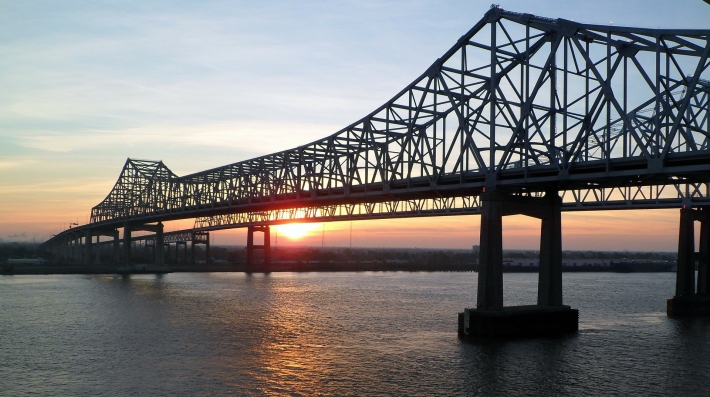
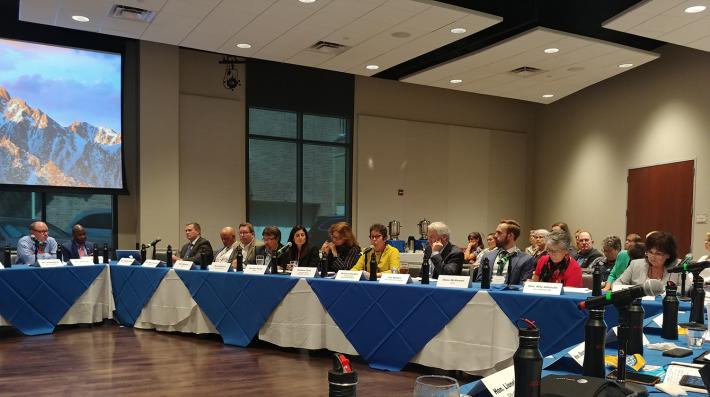
In North America, worked to reduce marine debris along the Mississippi River, America’s greatest waterway, in coordination with National Geographic Society, the University of Georgia, and the Mississippi River Cities and Towns Initiative (MRCTI). The Mississippi River Plastic Pollution Initiative, worked with volunteer citizen scientists from local communities to record data on the state of plastic pollution along the river. This data was used to generate a ‘plastic pollution map’ to help policy makers, business and citizens take action.
UNEP North America also works with partners, such as American cartoonist Jim Toomey, to address marine litter by raising awareness and sharing best practices. The “Two Minutes on Oceans with Jim Toomey” video series showcases how individuals can take action to reduce marine litter.